Many growing businesses face a critical question — should we continue with Tally or move to a full ERP like ERPNext?
The answer might surprise you: you don’t have to choose.
A hybrid Tally + ERPNext approach gives you the best of both worlds. By combining Tally for accounting and compliance with ERPNext for operations, HR, and manufacturing, businesses can achieve digital transformation without disrupting their existing finance workflows.
1. Why Businesses Use Both Tally and ERPNext
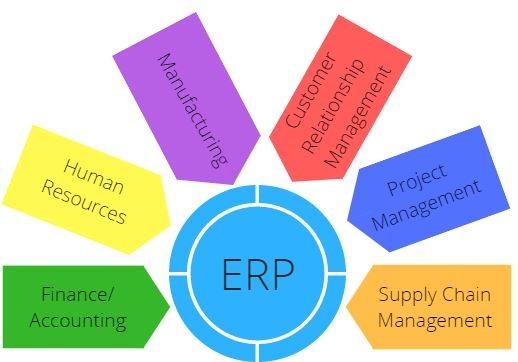
Tally is widely trusted for Indian accounting, GST compliance, and financial reporting. ERPNext, however, is a complete ERP system that also includes robust accounting and financial management capabilities, along with modules for manufacturing, CRM, projects, and HR.
In many cases, businesses continue using Tally for its familiarity and strong compliance ecosystem, while leveraging ERPNext for end-to-end operational control.
Instead of forcing a single system to handle everything, this ERPNext Tally integration allows each platform to be used where it fits best.
Common use cases:
• Manufacturing firms use ERPNext for production planning and Tally for accounting• Service companies manage project billing in ERPNext while maintaining compliance in Tally
• Retail chains handle inventory and POS in ERPNext, with Tally managing multi-branch financials
• Trading businesses use Tally for day-to-day books and ERPNext for CRM and order management
2. How the Integration Works
With the right setup, both systems can work together seamlessly through API-based integration:
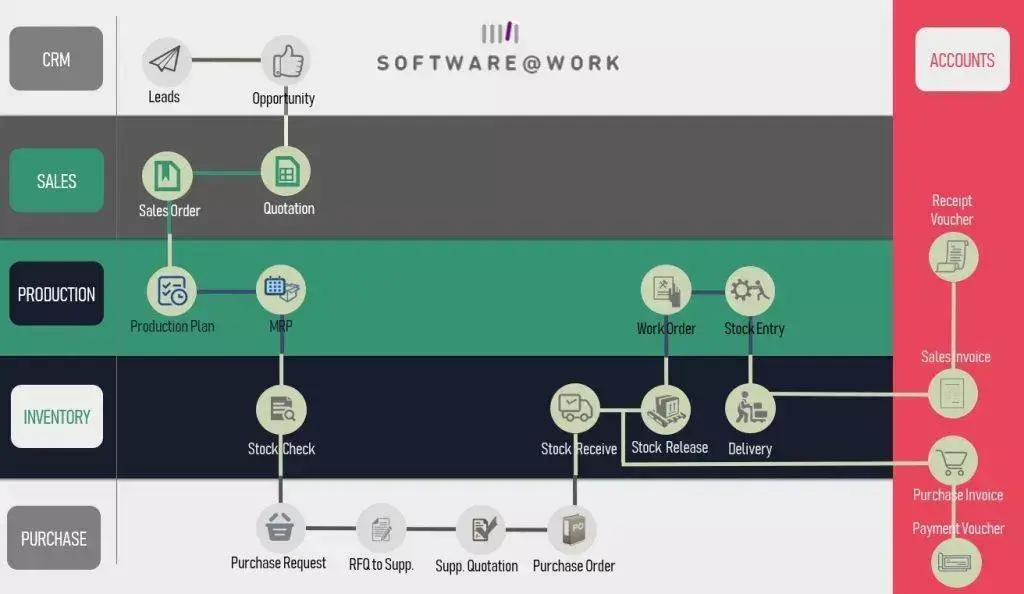
• Sales orders created in ERPNext can automatically generate invoices in Tally
• Inventory updates in ERPNext reflect in Tally stock records
• Customer and vendor data stays synchronized across both systems
• Payments recorded in Tally update receivables in ERPNext
• Financial data can be viewed in a consolidated manner
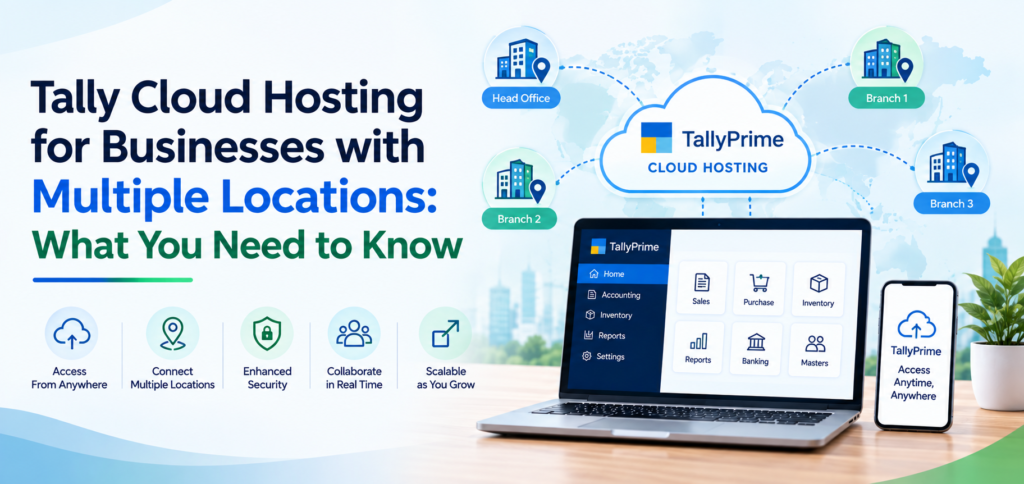
Tally can be deployed on the cloud for secure, anytime access, while ERPNext’s cloud-native architecture allows operational teams to work from anywhere. This makes the combination ideal for multi-location businesses and distributed teams.
3. Benefits of the Hybrid Approach
Compliance without compromise
• Continue using Tally for GST, TDS, and statutory requirements
• Your CA and audit teams can work in a familiar environment
Stronger operational control
• ERPNext handles manufacturing processes, job costing, and project tracking
• Built-in CRM, HR workflows, and integrations
• Custom dashboards for better decision-making
Flexibility with cloud access
• Remote access to accounting and business data
• Automatic backups and improved data security
• Easy scalability as your business grows
Cost efficiency
• Avoid investing in heavy, all-in-one ERP systems
• ERPNext’s open-source model helps reduce licensing costs
• Faster and more affordable implementation compared to traditional enterprise ERPs
4. Implementation: Choosing the Right Partner
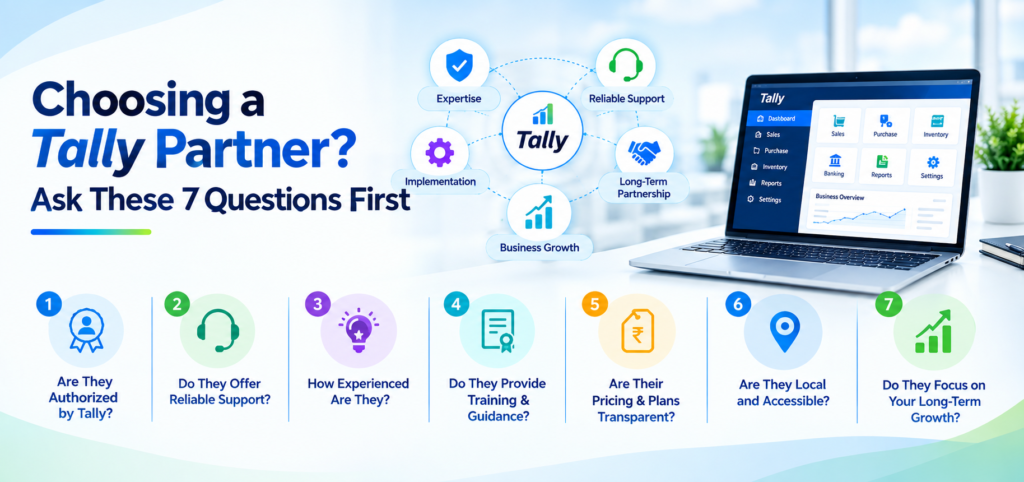
A successful Tally + ERPNext setup requires expertise in both systems.
The right implementation partner can:
• Identify which processes should stay in Tally and which should move to ERPNext
• Design a clean and efficient data flow between systems
• Set up Tally on cloud for secure access and scalability
• Configure ERPNext modules and workflows based on your business needs
• Build and test seamless Tally–ERPNext integration
• Train your team across functions
• Provide ongoing support and continuous optimization
When implemented correctly, both systems function as a unified ecosystem — not as disconnected tools requiring manual effort.
Why Software@Work
At Software@Work, we have been helping businesses streamline accounting and operations for over 34 years.
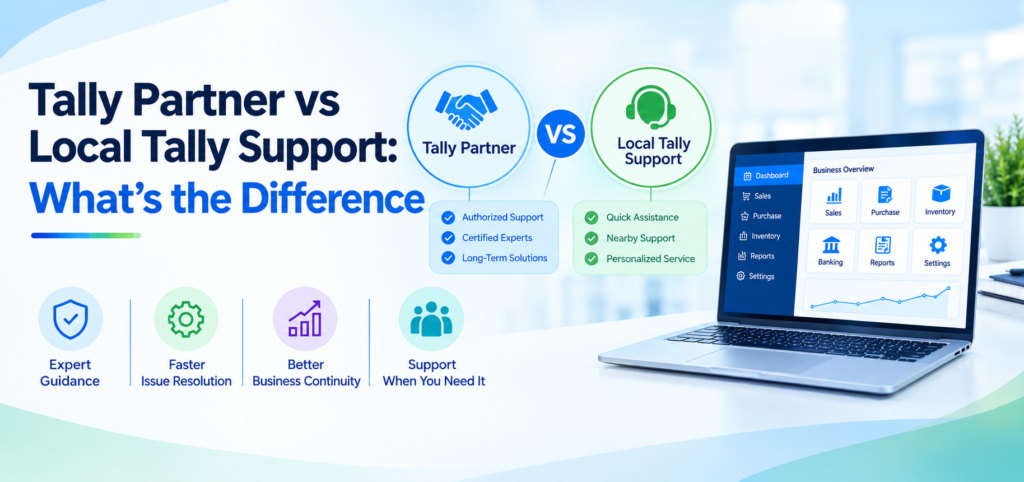
As a Tally Certified 5-Star Partner and an ERPNext Gold Partner, we bring strong expertise across both platforms — enabling us to deliver reliable, scalable, and well-integrated solutions.
We have implemented ERPNext and Tally solutions for multiple businesses across manufacturing, trading, retail, and service industries — helping them improve visibility, control, and efficiency without disrupting their existing workflows.
Whether you are looking for ERPNext implementation, Tally cloud services, or a seamless integration between the two, our team can help you plan, implement, and scale your digital transformation journey with confidence.