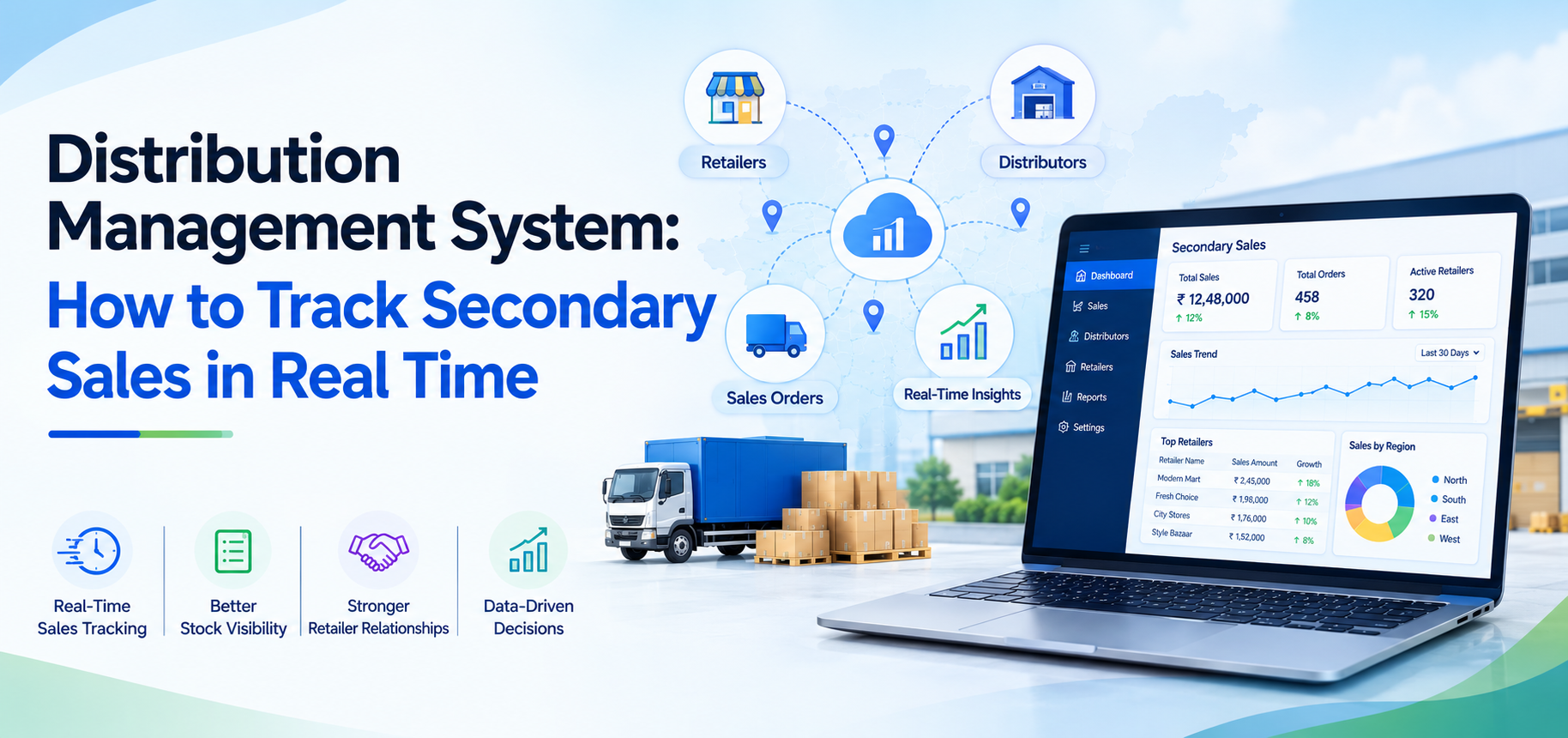
Managing a distributor network without real time visibility is like flying blind. You know what leaves your warehouse, but how much actually sells to end customers, which distributors are moving stock fastest, and where demand is spiking often stays hidden until it’s too late. This is where a Distribution Management System becomes essential.
What Is a Distribution Management System?
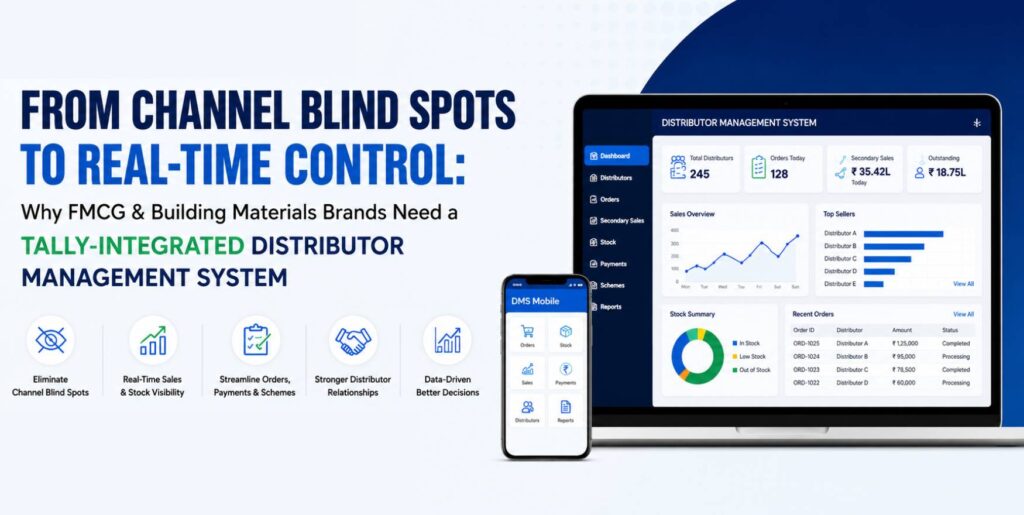
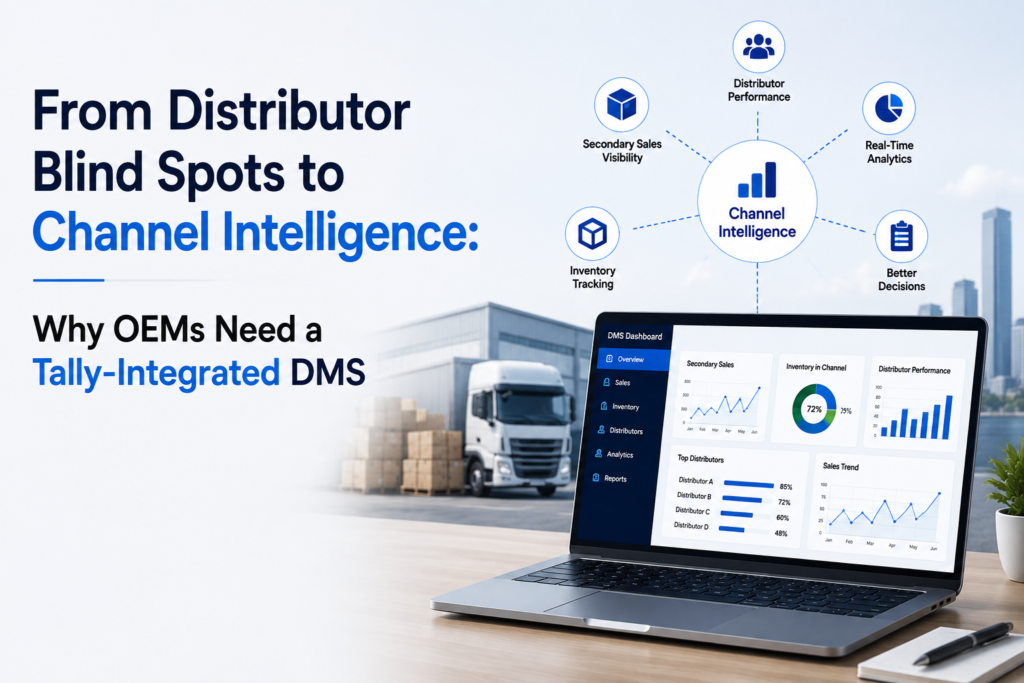
A Distribution Management System, or DMS, is software built to give manufacturers and brands complete control over their distribution network. Instead of relying on delayed spreadsheets or manual reports, a DMS captures data directly from distributors, retailers, and sales teams, giving you a single, accurate view of your supply chain performance.
Core Components of a Distribution Management System
Every solid DMS is built around a few core capabilities:
- Centralized order and inventory data
- Distributor level performance visibility
- Integration with existing ERP and inventory systems
- Real-time sales tracking across every touchpoint
At its core, good distributor management software combines primary and secondary sales data into one system, turning sales and distribution management from guesswork into a data driven process.
Why Secondary Sales Tracking Matters
Most businesses are good at tracking primary sales, the stock that moves from the company to distributors. The real challenge is secondary sales tracking: understanding what happens after that, when distributors sell to retailers or end customers.
The Cost of Weak Distributor Sales Tracking
Without proper distributor sales tracking, you’re essentially guessing at demand. This leads to:
- Overstocking slow-moving products
- Stockouts on fast-moving items
- Delayed response to regional demand shifts
- Poor visibility in distributor performance
How a Distribution Management System Closes the Visibility Gap
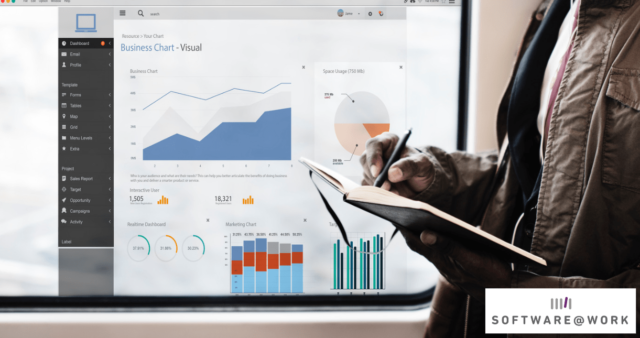
A reliable DMS closes this gap by connecting primary and secondary sales data into one dashboard, so nothing falls into a blind spot. Even a single missed data point in distributor sales tracking can throw off a full month of forecasting.
How Real-Time Sales Tracking Changes the Game
Traditional distributor management software often relies on end of month or end of week reporting. By the time you see the numbers, the opportunity to act has already passed.
What Real-Time Sales Tracking Looks Like in Practice
Modern distribution management software solves this with real-time sales tracking. As soon as a distributor logs a sale, it reflects instantly in your system. This means:
- Faster restocking decisions
- Accurate, live inventory visibility across every distributor
- Early detection of demand spikes or slowdowns
- Better forecasting based on actual sell-through, not estimates
From Reactive to Real-Time Sales and Distribution Management
This shift from reactive reporting to real-time sales and distribution management is one of the biggest advantages a good DMS offers. Businesses that adopt it consistently outperform those still working off weekly or monthly reports.
Choosing the Right Distributor Sales Software
Not all distributor sales software is built the same. When evaluating options, look for a platform that offers the following.
Must-Have Features in Distributor Sales Software
- Automated secondary sales tracking, no manual data entry required
- Real-time dashboards, live visibility, not delayed reports
- Distributor level insights, performance tracking by region, product, or distributor
- Seamless integration connects with your existing ERP or inventory tools
Turning Distributor Sales Software Data into Decisions
The right distributor management software doesn’t just record data; it turns primary and secondary sales information into decisions you can act on immediately.
Real-Time Sales Tracking as a Decision-Making Tool
When real-time sales tracking is built into your distributor sales software, decisions that are used to take days, restocking, reallocating stock, adjusting targets, can happen the same day.
Primary and Secondary Sales: Understanding the Difference
To get the most out of any distributor management software, it helps to understand the two data streams it manages.
Primary and Secondary Sales, Side by Side
- Primary sales: shipments from the company to the distributor
- Secondary sales: what the distributor sells onward to retailers or end customers
Why Sales and Distribution Management Needs Both Data Sets
Tracking only primary sales gives you half the picture. Real sales and distribution management require both data streams working together, which is exactly what a modern DMS is built to do.
Final Thoughts: Investing in Real-Time Sales Tracking
A well-implemented Distribution Management System bridges the gap between what leaves your warehouse and what reaches the end customer. With real-time sales tracking and reliable secondary sales tracking, businesses gain the visibility needed to reduce stockouts, cut excess inventory, and strengthen distributor relationships.
If you’re still relying on manual reports to manage your distribution network, it may be time to invest in distributor management software built for real-time performance.
FAQs
What is a Distribution Management System?
A Distribution Management System is software that tracks and manages the flow of products from manufacturers to distributors, retailers, and end customers.
Why is secondary sales tracking important?
Secondary sales tracking shows what distributors sell to retailers or customers, giving businesses accurate demand visibility instead of guesswork.
How does real-time sales tracking help distributors?
Real-time sales tracking lets businesses see sales the moment they happen, enabling faster restocking and demand response.
What’s the difference between primary and secondary sales?
Primary sales are shipments from company to distributor, while secondary sales are what distributors sell onward to retailers or customers.
What should I look for in distributor management software?
Look for automated secondary sales tracking, real-time dashboards, distributor level insights, and easy ERP integration.