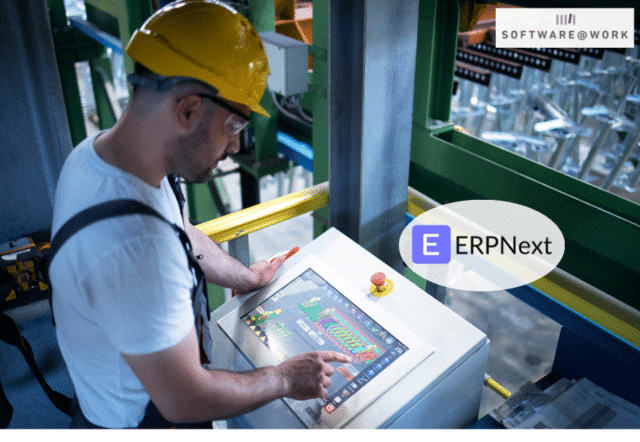
In today’s fast-paced business environment, startups and small to medium enterprises need an ERP system that is powerful, flexible, and affordable. ERPNext has emerged as one of the best ERP solutions for growing businesses in 2025—especially for those who want full control without high software costs.
Built for Growing Businesses
Unlike traditional enterprise ERPs that come with high license fees and complexity, ERPNext is built specifically for startups and SMEs. It is a modern, cloud-ready ERP that focuses on simplicity, automation, and real-time visibility—exactly what growing businesses need.
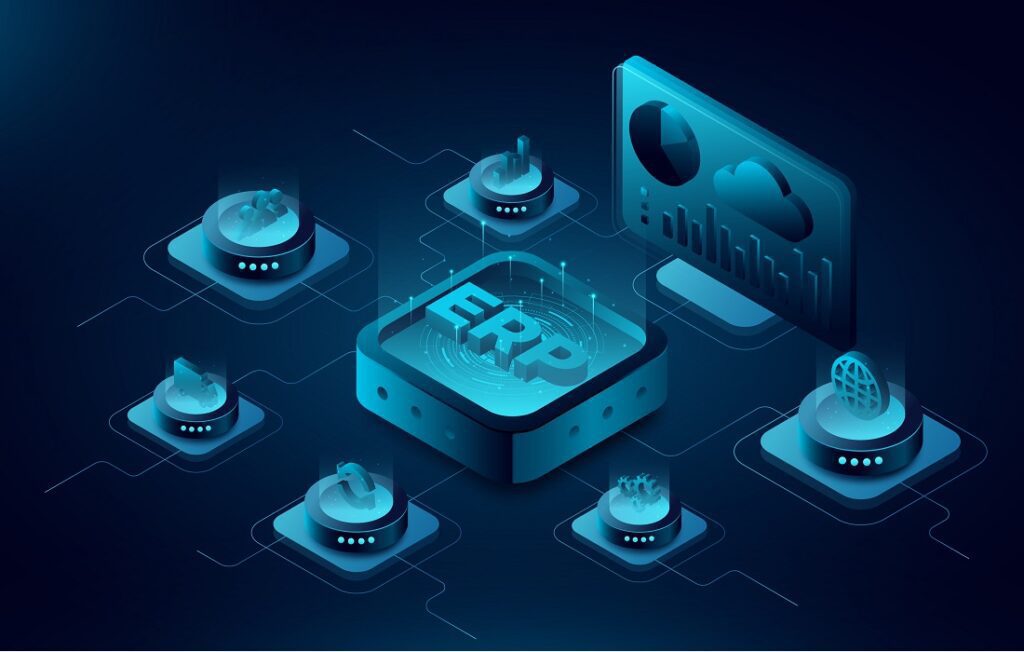
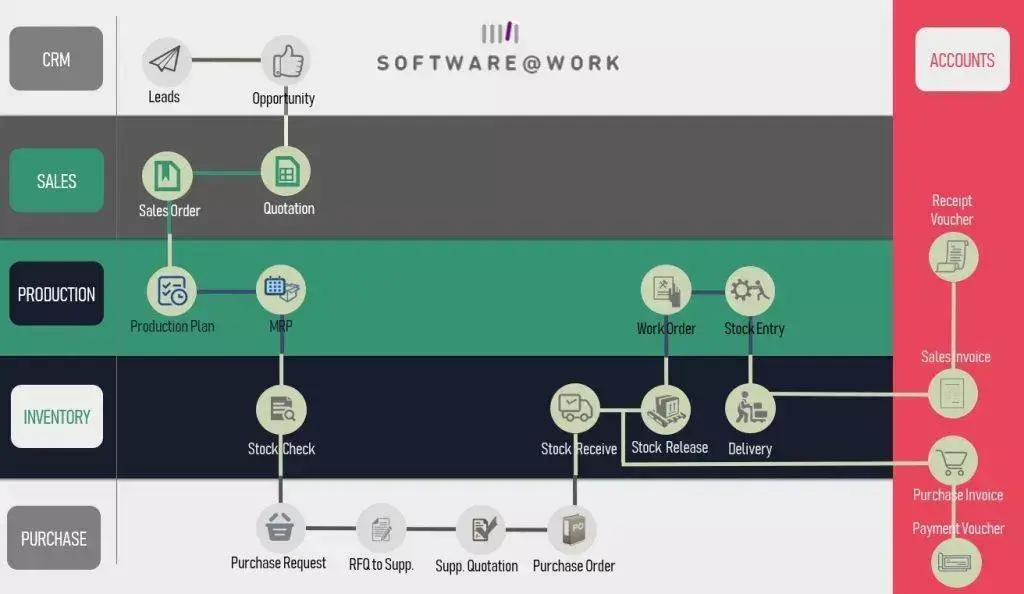
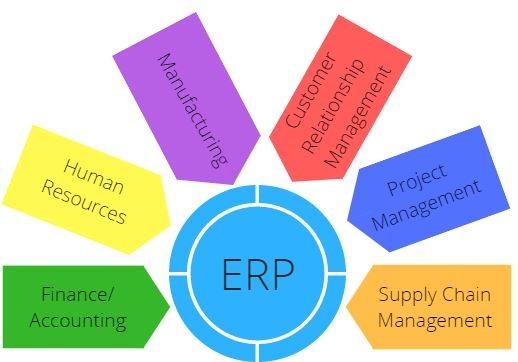
ERPNext brings sales, accounting, inventory, HR, procurement, and operations onto one unified platform. This eliminates data silos, reduces manual work, and enables faster, more confident decision-making.
Open Source, Zero License Fees, Unlimited Users
One of ERPNext’s biggest advantages is that it is 100% open source. There are no software license fees, no per-user charges, and no hidden costs—even as your team grows.
You don’t pay for the software itself. You only invest in:
- Implementation and setup
- Customization (if required)
- Hosting and ongoing support
This makes ERPNext a highly cost-effective ERP for startups and SMEs, allowing you to allocate your budget toward growth, marketing, and innovation instead of restrictive software licenses.
User-Friendly and Easy to Adopt
ERPNext is designed to be easy to use, even for non-technical teams. The clean, intuitive interface ensures faster onboarding and quicker adoption across departments.
With built-in low-code tools, workflows, reports, and dashboards can be adjusted to match your business processes—without heavy dependency on developers or expensive consultants.
Scalable, Modular Architecture
ERPNext follows a modular ERP approach. You can start small with core modules like CRM, invoicing, and inventory, and add more as your business grows—such as payroll, manufacturing, project management, or advanced reporting.
It supports multi-location inventory, multi-currency accounting, and multi-company consolidation, ensuring you never need to switch ERP systems as your operations expand.
Comprehensive Business Management
ERPNext implementation partner empowers teams with role-based access, workflow automation, approvals, and notifications. Employees can manage tasks, leaves, expenses, and projects within a single system—improving productivity and transparency.
From founders to finance teams, everyone works on the same real-time data.
One Platform, One Source of Truth
Many businesses rely on disconnected tools like accounting software, CRMs, spreadsheets, and project trackers. ERPNext replaces this fragmented setup with a single, fully integrated platform.
Sales invoices automatically reflect in accounts, inventory updates in real time, and project activities flow into timesheets and billing—creating a reliable single source of truth for management and investors.
Conclusion
Choosing the right ERP is about building a strong foundation for future growth. ERPNext offers startups and SMEs a powerful, open-source ERP with zero license fees, unlimited users, and unmatched flexibility.
As an ERPNext implementation partner, Software@Work brings deep domain expertise and proven implementation experience to help you get the most value from ERPNext—from planning and deployment to customization and long-term support.
Frequently Asked Questions (FAQ) –
1. Why is ERPNext considered the best ERP for startups and SMEs in 2026?
ERPNext is considered the best ERP for startups and SMEs in 2026 because it is open source, cost-effective, scalable, and easy to use. It offers complete business management—accounting, inventory, HR, CRM, and operations—on a single platform without expensive license fees or per-user charges.
2. Is ERPNext suitable for Indian startups and small businesses?
Yes, ERPNext is highly suitable for Indian startups and SMEs. It supports GST compliance, Indian accounting standards, multi-state operations, and INR-based financial reporting, making it ideal for businesses operating in India.
3. Does ERPNext have license fees or per-user costs?
No. ERPNext is 100% open source and does not charge any license fees or per-user costs. Businesses only pay for implementation, customization (if required), hosting, and support, making it one of the most affordable ERP solutions in 2025.
4. Can ERPNext scale as a startup grows into an enterprise?
Yes. ERPNext is built with a modular and scalable architecture. Startups can begin with basic modules like CRM and accounting, and later expand into manufacturing, payroll, project management, multi-company consolidation, and advanced analytics without changing ERP systems.
5. Is ERPNext easy to use for non-technical teams?
Yes. ERPNext is designed with a user-friendly interface that allows quick adoption by finance, sales, HR, and operations teams. Its low-code customization tools enable workflow and report changes without heavy technical expertise.